How to Import a Used Car from China in 2026: Step-by-Step Guide for Dealers and Buyers
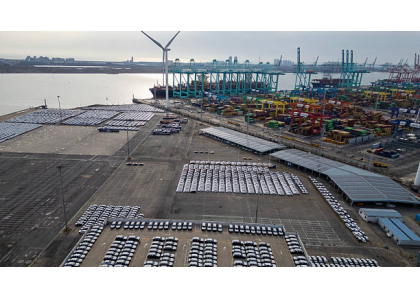
China's vehicle exports hit a record 5.31 million units in the first half of 2026, up 53 percent year on year, with monthly shipments passing the one-million mark (China Daily, August 2026). As new-car competition intensifies, dealers in Africa, the Middle East and Central Asia are turning to a fast-growing segment: used cars from China. This guide explains how to import a used car from China in 2026 - which model to choose, how to verify the exporter, which documents matter, how shipping works and what you pay at the destination.
Why Import a Used Car from China in 2026?
Three forces are converging this year. First, supply: China exported more than five million vehicles in H1 2026 (CPCA), and the phase-out of NEV purchase subsidies is pushing thousands of late-model electric and hybrid cars into the used market at aggressive prices. Second, quality: after years of complaints about zero-mileage cars declared as used, China now requires manufacturer-backed after-sales confirmation for such exports (in force since January 2026), which is clearing weak players out of the market. Third, demand: major import markets such as Nigeria and Ghana are formalising used-car imports with clearer duties and inspection rules, so compliant imports now compete on even terms with grey channels.
Step 1 - Pick a Car That Fits Your Market
Start with the destination, not the showroom. Left-hand-drive markets (Nigeria, Ghana, most of West Africa, the Gulf) accept standard Chinese-spec cars, while Kenya needs right-hand-drive stock - a smaller and pricier pool. In most African markets duty is driven by age and engine size, so a one to three-year-old compact model often lands cheaper than an older large SUV once duty is added. For price-sensitive buyers, the
Toyota Yaris L 2022 is one of the most popular compact sedans we export to African dealers. In the UAE, demand is shifting toward used BYD and other electric cars, while Saudi buyers ask for Chinese SUVs and hybrids. Shortlist models with your exporter and compare total landed cost - never the FOB price alone.
Step 2 - Use a Licensed Exporter and Verify the Vehicle
China only allows licensed companies to export used vehicles, so the first filter is simple: ask for the exporter's used-car export qualification and registration documents. Then verify the car. A professional exporter provides the original registration certificate, a written inspection report and dated photos; for EVs and hybrids, request a battery health report - China's new battery-health standard for used NEVs (GB/T 46991.1-2025) makes third-party reports easier to obtain. Avoid zero-mileage cars advertised as used: since January 2026 they need manufacturer confirmation to leave China. A documented mid-range hatchback such as the
2024 Volkswagen Golf 280 shows what a checked car looks like: full service history, accident-free report and export-ready paperwork.
Step 3 - Paperwork and China's Export Rules
The exporter handles Chinese customs declaration and export clearance, but the buyer must know what the shipment contains. Key documents: commercial invoice, bill of lading, inspection report, certificate of origin when the destination grants preferential duty, and the original registration documents as proof of age. Remember China's 180-day rule - only vehicles registered in China for at least 180 days qualify as used exports. Fix the price term in the contract (FOB Tianjin or CIF destination), the deposit structure, the delivery window and delay compensation. If the deal is quoted CIF, ask the exporter to itemise freight and insurance so you can compare quotes fairly.
Step 4 - Shipping: RoRo, Container and Insurance
Two methods dominate used-car shipping from China:
· RoRo (roll-on/roll-off) is cheapest for drivable cars and large batches; Tianjin, Shanghai and Yantai run regular RoRo services to Africa and the Middle East.
· Containers suit single vehicles and non-drivable cars, but the rate must include lashing, chocks and any oversize surcharge.
With China exporting more than one million vehicles per month in 2026, car-carrier space is tight and some exporters have moved cars into containers to protect sailing dates (The Loadstar, 2026). Book one to two weeks of buffer before your port cut-off, insure the cargo with all-risk cover including port storage, and confirm who pays demurrage if the vessel is delayed.
Step 5 - Customs, Duties and Registration at Destination
Duty is usually calculated on the CIF value, with vehicle age and engine size as multipliers. Rules in 2026 differ sharply by market, so check the table before you commit:
Before shipping, ask your exporter or a customs broker for a landed-cost estimate for the exact model, and confirm the car meets local age, emissions and steering-side rules. A compliant car with complete paperwork clears faster and usually sells for a premium at auction.
Importing a used car from China is now a repeatable, documented process used by hundreds of dealers across Africa and the Middle East. Keep the model realistic for your market, use a licensed exporter, check every document, insure the cargo and price the total landed cost before you sign. Done properly, a 2026 import can undercut traditional sources by thousands of dollars per unit - and arrive in better condition.


