Chinese Used Car Exports to Dubai 2026: Jebel Ali Re-Export Hub Guide
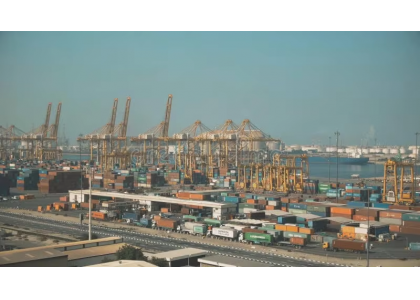
The United Arab Emirates has become the most important staging post for Chinese vehicles heading to Africa and the Middle East. In 2025 the UAE ranked as China's third-largest vehicle export destination, behind only Mexico and Russia (CarNewsChina, 4 March 2026), and Dubai's Jebel Ali complex is where a large share of that volume is consolidated, stored and re-shipped.
The scale keeps growing. China exported 5.096 million vehicles in the first half of 2026, up 65.3% year on year, and June set a monthly record of 1.037 million units (CAAM data via CnEVPost, 9 July 2026). For dealers in Lagos, Nairobi, Dar es Salaam and Baghdad, the practical question is how Chinese used car exports to Dubai actually work as a re-export channel.
Why Dubai Became the Re-Export Capital
Geography is only part of the answer. Jebel Ali sits within a few days' sailing of the Gulf and within two to four weeks of East and West African ports. On top of that, Dubai offers zero personal income tax, free-zone storage with no customs duty on goods in transit, and shipping connections to almost every target market.
The numbers show the effect. Chinese automotive imports into Dubai more than doubled in 2024 compared with the previous year, and Jebel Ali is now the busiest vehicle gateway in the region (JAFZA, 18 April 2025). Industry estimates put Dubai's used car market at around USD 20.5 billion, with no export duty on vehicles leaving the free zone (Carawon, 2026).
Jebel Ali and JAFZA: The Infrastructure Behind the Hub
Two assets matter most. Jebel Ali Port handled 958,000 Ro-Ro units in 2024, which makes it one of the largest roll-on/roll-off terminals in the world (JAFZA, April 2025). Jebel Ali Free Zone (JAFZA) handles roughly 75% of Dubai's new and used vehicle import and export activity, and its Dubai Auto Zone provides dedicated storage, inspection and trading facilities for international dealers (JAFZA, 2025).
That combination means a Chinese exporter can ship a mixed consignment - electric SUVs for one buyer, sedans for another - into the free zone, hold it duty-free, and release units as orders arrive instead of paying for full containers to each destination.
How the China to Jebel Ali to Africa Route Works
The standard flow has four steps. A Chinese exporter ships new or used vehicles to Jebel Ali by Ro-Ro or container. The goods enter the free zone without import duty because they are in transit. Units are inspected, cleaned and, where needed, reconditioned or photographed for online sale. Finally they are re-exported to African or Middle Eastern destinations, or cleared into the UAE domestic market if a local buyer is found.
Direct sourcing from China still wins on price for single-brand orders, while the Dubai route wins on speed, small lot sizes and the ability to mix brands. Many African importers now use both: large orders straight from Tianjin or Shanghai, urgent or mixed orders from the Dubai hub.
Costs, Duties and Timeline
The figures below are indicative market ranges used by traders in September 2026 and should be confirmed with your freight forwarder and Dubai Customs before quoting.
|
Stage |
Indicative cost / note |
|
China to Jebel Ali (Ro-Ro, per unit) |
USD 700 - 1,200 |
|
Free zone storage, 30 days |
USD 100 - 300 per vehicle |
|
Clearance into UAE domestic market |
5% GCC duty plus 5% VAT |
|
Re-export from the free zone |
0% export duty |
|
Jebel Ali to Lagos / Mombasa / Dar es Salaam |
USD 900 - 1,800 per unit |
|
Full re-export cycle |
21 - 45 days, depending on vessel schedule |
Two risks deserve attention. The first is duty drift: a vehicle cleared into the UAE market is no longer a transit cargo, so the 5% GCC duty and 5% VAT apply. The second is route disruption - regional tension in 2026 pushed Chinese vehicle shipments onto longer routes and added cost and delay (CarNewsChina, 4 March 2026). Holding a small buffer stock in the hub is the usual hedge.
Documents and Paperwork for Re-Export
· Commercial invoice and certificate of origin for each unit in the consignment.
· Bill of Lading naming the free-zone entity as consignee.
· Free-zone gate pass and re-export declaration filed with Dubai Customs.
· Pre-shipment conformity documents where the destination demands them, such as Nigeria's SONCAP regime.
· Destination import permits and, for some markets, a pre-shipment inspection certificate.
· Arabic or destination-language translations of the invoice and title where required.
Practical Takeaways for Exporters and Buyers
Lead with models that have demand on both sides of the hub: an electric crossover such as the BYD Hiace 07 EV sells into EV-friendly Gulf buyers, while a premium range-extender SUV such as the Li Auto L6 Max suits high-margin dealers in the Gulf and East Africa.
· Confirm specification before shipping: GCC-spec cooling and air-conditioning packages matter for Gulf resale, while African buyers often prefer simpler trims.
· Model the full landing cost, not just the FOB price, because free-zone storage and onward freight decide the final margin.
· Keep digital files of every inspection photo, VIN record and customs document; re-export buyers now ask for them before paying a deposit.
Conclusion
Dubai is no longer just a place to buy cars; it is the operating base of the China-to-Africa vehicle trade. Jebel Ali's 958,000 Ro-Ro units a year and JAFZA's dominance of Dubai's vehicle imports and exports explain why Chinese used car exports to Dubai keep rising even as direct sailings from China multiply. Exporters who combine direct China sourcing with a free-zone position in Dubai can serve small, mixed and urgent orders that competitors simply cannot fill.


