Canada Used Car Import Regulations 2026: Duty, 15-Year Rule and Chinese EV Permits
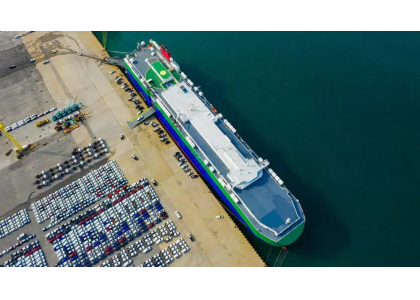
Canada is one of the most tightly regulated vehicle import markets in the world, and 2026 added a new layer: a formal quota for Chinese-built electric vehicles. For dealers and private buyers sourcing from China, the rules decide everything, from whether a car is admissible to what it costs at the border and how long the paperwork takes. This guide to Canada used car import regulations breaks down the 15-year rule, the RIV program, the real duty bill, and the new Chinese EV permits now in force.
Canada Used Car Import Regulations 2026: Two Import Tracks
Transport Canada does not treat every imported vehicle the same way. Imports fall into two tracks:
· Vehicles 15 years or older. Once a vehicle reaches its 15th model year it is exempt from Canada's Motor Vehicle Safety Standards (CMVSS) and from the Registrar of Imported Vehicles (RIV) program. This is the main route for used cars arriving from outside North America.
· Vehicles under 15 years old. These must satisfy CMVSS. Most non-US or Mexican vehicles cannot be made compliant, so they are effectively barred unless they were originally built to US FMVSS standards and appear on the admissible Vehicle Import Compatibility (VIC) list.
In practice, the realistic path for most Chinese used cars is the 15-year rule, while brand-new electric models use the quota described below. CBSA Memorandum D9-1-11 governs the details and should be checked before shipping.
Duty and Taxes: What You Actually Pay at the Border
Import charges are calculated on the declared purchase price, or on CBSA's estimated value, and they add up quickly. The main items are:
|
Charge |
Amount (2026) |
Notes |
|
Duty |
6.1% |
MFN rate for vehicles of non-North American origin; US or Mexican-built cars are duty-free |
|
Excise tax (A/C) |
CAD 100 |
Applies if the vehicle is equipped with air conditioning |
|
RIV fee |
CAD 310 |
Applies to vehicles under 15 years old |
|
GST |
5% |
Federal goods and services tax on the landed value |
|
Provincial tax |
Varies |
Collected at registration by the province |
|
Inspection and compliance |
Varies |
Safety inspection; daytime running lights and a km/h cluster may be required |
Treat 6.1% duty plus GST and provincial tax as the baseline. The RIV fee and the air-conditioning excise tax are small but must be paid before the car can be registered.
The 2026 Chinese EV Import Quota
The biggest change of 2026 is a managed channel for Chinese-built electric vehicles. After Canada's 100% surtax on Chinese EVs, imposed in October 2024, the two countries agreed to replace it with a quota:
· Preferential tariff: 6.1%, Canada's most-favoured-nation rate.
· Second quota period: September 1, 2026 to February 28, 2027, with 24,500 vehicles available, plus any unused volume carried over from the first period, roughly 49,000 units for the full year.
· Administration: shipment-specific import permits issued by Global Affairs Canada on a first-come, first-served basis.
· Eligibility: the importer must be Canadian-resident, or a non-resident OEM working through a Canadian-resident agent. Global Affairs may set aside part of the quota for OEMs.
· Permits can be applied for up to 30 days before entry and remain valid for up to 60 days.
Demand has been brisk. About 15,063 of the 24,500 permits were taken by August 21, 2026, roughly 61.5% of the allocation. Because the quota is capped rather than unlimited, timing matters more than price for 2026 EV imports.
Why China's Used Car Export Boom Matters for Canada
Canada is opening one narrow door just as China's vehicle exports set records. In September 2026 China exported about 919,000 passenger cars, up 64% year-on-year, and more than 7.1 million units in the first nine months of the year, a rise of over 70%, according to the China Association of Automobile Manufacturers. With domestic sales soft, Chinese brands are pushing hard into every receptive market, and Canada's new EV quota is one of them.
For buyers this creates two distinct opportunities. Electric models now fit the quota channel: a Used Car BYD Hiace 07 EV 2025 Model 610 Smart Driving Edition is exactly the kind of late-model battery-electric vehicle the permit system was designed for. Meanwhile the 15-year rule keeps older, affordable cars admissible on a separate track, such as a Used Car Toyota Yaris L 2022 Leading Edition for buyers who value low running costs over battery range.
Documents and Steps to Import a Used Car into Canada
· Confirm admissibility: check age under the 15-year rule and, for newer vehicles, the VIC list.
· File the import declaration: Transport Canada Vehicle Import Form 1, or RIV e-Form 1.
· Arrange shipping and customs: most importers use a licensed customs broker, and CBSA verifies the declaration at the border.
· Pay duty and taxes: 6.1% duty, GST, and the air-conditioning excise tax where applicable.
· Complete the RIV inspection if the vehicle is under 15 years old: it must be modified to meet CMVSS and inspected before provincial registration.
· Register provincially: pay provincial tax and complete a provincial safety inspection.
Conclusion
Canada used car import regulations in 2026 reward preparation. The 15-year rule remains the most reliable route for older vehicles, the 6.1% duty is modest by global standards, and the new Chinese EV quota adds a genuine, if limited, channel for battery-electric models. Dealers who line up permits before the next quota window opens, and who document value and compliance properly, will convert the fastest.


