BYD vs Tesla vs NIO: Which Chinese EV Offers the Best Export Value in 2026?
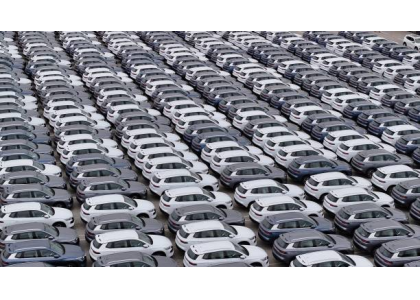
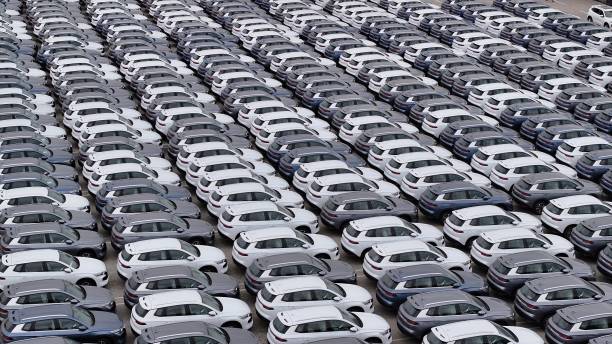
China has become the world’s largest vehicle exporter, and 2026 is the year Chinese electric vehicles moved from “cheap alternative” to “first choice” for international used-car buyers. In the first half of 2026 alone, China exported 5.096 million vehicles — up 65.3% year on year — with new energy vehicles (NEVs) accounting for 2.302 million of those units (CarNewsChina, July 2026; ECG Association, July 2026). For dealers deciding what to stock, the question is no longer whether to buy Chinese EVs, but which brand delivers the best export value: BYD, Tesla or NIO. This guide compares pricing, battery technology, resale performance and buyer demand to help you choose.
BYD vs Tesla vs NIO: Quick Comparison at a Glance
All three brands are produced in China and exported worldwide, but they serve very different buyers. The table below summarises the key differences for a used-car exporter in 2026.
|
Dimension |
BYD |
Tesla (Made in China) |
NIO |
|
Typical FOB price range (used, 2026) |
USD 6,000 – 25,000 |
USD 15,000 – 38,000 |
USD 18,000 – 42,000 |
|
Battery technology |
Blade LFP — safe, long life |
NMC / LFP (CATL supply) |
Swap-ready battery packs |
|
Export availability |
Very high — huge volumes |
High — global brand |
Moderate — premium niche |
|
Best for |
Volume dealers, cost-sensitive markets |
Brand recognition, resale stability |
Premium buyers, luxury markets |
Why Chinese EVs Dominate Export Markets in 2026
Chinese EV exports have grown roughly fifty-fold in six years — from about 72,000 units in 2020 to over 3.4 million units in 2025. The momentum continued into 2026: June 2026 became the first month ever in which China exported more than one million vehicles (1.037 million units), with NEVs taking more than half of the total (CarNewsChina, July 2026).
Three structural advantages explain this dominance:
· Cost advantage — Chinese battery supply chains (especially LFP chemistry) keep both new and used EV prices far below Western equivalents.
· Export infrastructure — ports such as Taicang and Yantai have dedicated roll-on/roll-off and container loading lines for EVs, cutting logistics costs.
· Policy support — Chinese exporters benefit from streamlined customs procedures and VAT rebates on NEV exports.
BYD: The Volume King for Exporters
BYD is the undisputed leader in export volume. In May 2026 the company sold 376,990 NEVs wholesale in China, with overseas deliveries surpassing 160,000 units in a single month (GlobalChinaEV, May 2026). Its March 2026 overseas sales hit 119,600 units, up 65% year on year (AutoCanGo, Q1 2026 report), and the group is targeting 1.5 million overseas sales for the full year 2026 (EV.com, March 2026).
For used-car exporters, BYD’s appeal is simple: massive supply, affordable FOB prices and the Blade LFP battery, which degrades slowly and is popular in hot climates such as the Middle East and Southeast Asia. Models like the Dolphin, Atto 3 and Song Plus are the most in-demand used units in developing markets, where buyers prioritise low total cost over brand prestige.
Tesla (Made in China): The Global Name
Tesla remains the best-known EV brand in most export destinations, which makes Shanghai-built Model 3 and Model Y units easier to resell and easier to finance for international buyers. Used Tesla prices hold value more predictably, and the brand’s global service network reduces buyer anxiety about warranty and repairs after import.
The trade-off is price: a used Tesla typically costs 2–3 times more than a comparable BYD at FOB level, and used EV batteries in NMC-equipped Teslas may need health checks before long-distance shipping. For dealers targeting middle-class buyers in Latin America, Eastern Europe and the Gulf, Tesla offers the strongest “brand premium” — but thinner margins per unit.
NIO: Premium Service, Premium Risk
NIO competes in the luxury segment with battery-swap technology and a premium service ecosystem. Used NIO vehicles are rare in export channels, which can be an advantage — less competition — but also a risk: the battery-swap network and service centres are concentrated in China, so buyers outside China may not benefit from NIO’s core selling points.
NIO makes sense only for exporters with buyers who want a flagship Chinese SUV (ES6, ES8, ET7) at a discount versus European luxury EVs. If you cannot verify battery health and residual value in the destination market, NIO is the riskiest of the three for a first-time exporter.
Which Chinese EV Should You Export?
· BYD — best all-round export value: lowest entry price, highest volumes, LFP battery durability. Ideal for Africa, Central Asia, Southeast Asia and price-driven Middle East markets.
· Tesla — best brand equity: easier resale and financing, but higher acquisition cost. Ideal for Latin America, Eastern Europe and premium Gulf buyers.
· NIO — only for niche luxury demand: high unit value, low volume, limited after-sales support abroad. Best avoided unless you have a confirmed buyer.
As a rule of thumb, 80% of Chinese used-EV export demand in 2026 is satisfied by BYD-class vehicles in the USD 8,000–20,000 bracket, while Tesla serves the USD 20,000+ tier and NIO remains a special-order product. Match the car to the market, not the brand to your preference.
Conclusion
For most used-car exporters in 2026, BYD offers the best export value: unmatched supply, low FOB prices, durable LFP batteries and proven demand across developing markets. Tesla (Made in China) is the safer premium play for brand-driven buyers, while NIO should be reserved for confirmed luxury orders. Verify battery health, check destination import regulations, and let the data — export volumes, resale trends and buyer enquiries — guide your stock decisions.


