The Ultimate Checklist: 12 Things to Verify Before Buying a Used Car from China
Introduction
China is now one of the world's largest used car exporters, offering competitive pricing and access to models unavailable elsewhere — especially in the booming EV segment. But buying a vehicle from thousands of miles away carries real risks. A single overlooked detail can cost you thousands. This checklist covers the 12 essential verification steps every international buyer should follow.
————————————————————————————————————————————————————————————
Part 1: Documentation & History (Items 1–3)
1. Verify the VIN and Vehicle History Report
Obtain the 17-character VIN and run it through a Chinese vehicle history platform like Che300 (车300) or ChaCheBang (查车帮). These tools reveal accident history, ownership transfers, odometer records, and whether the car was ever used as a taxi. If the seller refuses to share the VIN, walk away.
2. Confirm Export Eligibility
Not all used cars in China can be legally exported. The vehicle must be registered in the seller's name, fully paid off, and pass a certified technical inspection. Older diesel vehicles and those failing emission standards may be restricted. Always verify the seller's export license on the Ministry of Commerce public registry.
3. Verify Ownership Documents
Request clear copies of the Vehicle Registration Certificate (机动车登记证书), Vehicle License (机动车行驶证), original purchase invoice, and export license. Have a Chinese-speaking associate confirm all documents are genuine and consistent. Document forgery is rare but devastating.
————————————————————————————————————————————————————————————
Part 2: Physical Inspection (Items 4–7)
4. Exterior Body and Paint
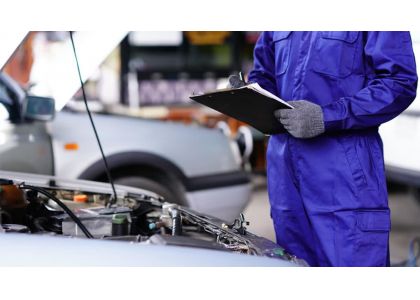
Hire a third-party inspection service (such as SGS or TÜV Rheinland) to perform an on-site evaluation. The inspector should check paint thickness (variations over 100 microns suggest repainting), panel gap consistency, rust on the undercarriage, and glass date codes matching the manufacture year.
5. Engine and Mechanical Condition
A comprehensive mechanical check must include: cold start test, compression test, fluid inspection (oil, transmission, coolant, brake fluid), leak check, and OBD-II diagnostic scan. For Chinese domestic brands like BYD or Geely, confirm parts availability in your destination country before purchasing.
6. Interior and Electronics
Verify all power windows, mirrors, climate control, infotainment, seats, and dashboard warning lights. For EVs and hybrids, request a battery State of Health (SOH) report — a battery below 80% SOH significantly reduces range and resale value.
7. Tires, Brakes, and Suspension
Check tire tread depth (minimum 3mm), brake pad thickness, suspension leaks, and steering play. If total estimated repair costs exceed 10% of the vehicle price, renegotiate or walk away.
————————————————————————————————————————————————————————————
Part 3: Legal & Financial (Items 8–10)
8. Odometer Verification
Cross-reference the current odometer reading with the vehicle history report and service records. A typical Chinese private car accumulates 15,000–25,000 km per year. A 5-year-old car showing only 20,000 km demands extra scrutiny.
9. Emissions and Safety Compliance
Your destination country has its own import standards. Verify that the vehicle meets required emission levels (Euro 4/5/6) and safety regulations. Some countries prohibit importing vehicles older than 5–8 years. Consult a local customs broker before committing.
10. Calculate the Full Landed Cost
The sticker price is only the beginning. Factor in export agent fees, inland transport, ocean freight, marine insurance, import duties, VAT, customs clearance, compliance modifications, and registration. The total landed cost is typically 30–60% higher than the listed vehicle price.
————————————————————————————————————————————————————————————
Part 4: Transaction Safety (Items 11–12)
11. Choose a Verified Dealer or Platform
Transact only through established B2B platforms or licensed export companies. Check the seller's business license on the National Enterprise Credit Information Publicity System. Red flags: prices far below market, pressure to pay off-platform, no physical address, or reluctance to allow third-party inspection.
12. Use Secure Payment Methods
Never send money to an individual's bank account. Use Trade Assurance (Alibaba.com), Letter of Credit (L/C), or a reputable escrow service. Structure payments with milestones: 30% deposit on order, balance after a satisfactory inspection report, and final payment upon receiving shipping documents.
———————————————————————————————————————————————————————————
Conclusion
Importing a used car from China can save you thousands — but only if you do your homework. These 12 steps are your minimum due diligence. If a seller pushes back on any of them, treat it as a signal to look elsewhere. Take your time, hire trusted inspectors, and the right car will be worth the wait.


