Ensuring Trust: China's Used Car Inspection Standards
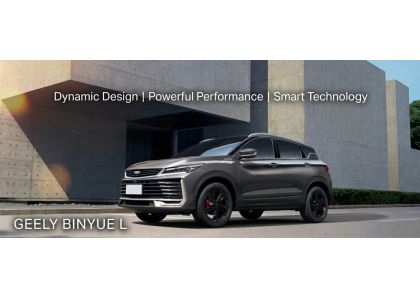
For buyers in the Middle East, Russia, and Central Asia, cross-border used car purchases hinge on one question: Can I trust the condition report? China has systematically addressed this concern through government-backed inspection protocols that combine regulatory rigor with digital transparency. This guide unpacks the standards that make Chinese pre-owned vehicle exports verifiably reliable.
1. The Regulatory Foundation
China launched its used car export pilot program in 2019, centered in port hubs like Tianjin, and has since built a dual-standard framework:
GB/T 30372
● — National standard for motor vehicle appraisal, defining the baseline methodology for technical condition and residual value assessment.
T/CADA 18-2021
● — Published by the China Automobile Dealers Association (CADA), this export-specific protocol mandates safety and performance thresholds for every vehicle leaving Chinese ports. At
Tianjin Yigang (Yijie Auto)
, we layer our proprietary 150-point checklist on top of these
China auto export standards
.
2. Five Inspection Pillars
I. Body Structure & Integrity
Inspectors use coating thickness gauges to detect hidden repainting and verify that A/B/C pillars and longitudinal beams are intact. Structural damage ("bone-damaged" classification) disqualifies a vehicle from premium export tiers. Undercarriage rust is screened — we prioritize sourcing from dry inland provinces.
II. Powertrain & EV Battery Health
For ICE vehicles: oil leaks, vibration, exhaust color, and historical ECU error codes via OBD-II. For EVs (Tesla, BYD, Zeekr): State of Health (SOH) is measured via diagnostic software — the single most critical data point for EV buyers.
III. Electronics & Mileage
Every system — ADAS, panoramic roof, infotainment — is functionally tested. Vehicle history check through digital forensics combined with physical wear analysis (pedals, seat bolsters, steering wheel) verifies odometer authenticity.
IV. Safety Systems
Airbag integrity, seat-belt pretensioners, brake pad thickness, and tire tread depth are audited. Tires exceeding 60% wear are replaced before export.
V. The Three Red Lines
Zero tolerance applies to accident-damaged structures, flood evidence (silt in connectors, seat-rail rust, HVAC odor), and fire damage (brittle wiring harnesses).
3. Third-Party Verification & the "One Car, One File" System
CCIC (China Customs Inspection) issues a Certificate of Quality required by many destination customs offices. Under the "一车一档" policy, every exported vehicle carries a digital dossier encompassing ownership history, maintenance records, and the final inspection report. This transparency distinguishes professional car exporter China operations from unregulated channels.
4. Why Tianjin Yigang Sets the Benchmark
Operating from Tianjin Binhai New Area, Tianjin Yigang provides:
● A full multimedia inspection package: HD video walkaround, paint-thickness images per panel, English/Russian OBD-II reports, and undercarriage photos on a hydraulic lift.
● Preferred sourcing from corporate fleet and executive vehicles with verifiable 4S dealership service histories.
5. Regional Adaptations
Middle East (Gulf markets):
● Cooling system and AC performance verified for 50°C conditions; window tints and thermal insulation checked. All vehicles are
LHD export
ready.
Russia & Central Asia:
● Seat/steering-wheel heaters, battery thermal management, and high-ground-clearance SUVs (Jetour, GWM, Tank) prioritized for snow and rough terrain.
6. Logistics & Quality Preservation
Pre-loading inspections precede container or Ro-Ro shipment. EV State of Charge is maintained at 30–50% to prevent battery degradation during transit. Undercarriage anti-corrosion spray is applied for Ro-Ro shipments during humid seasons.
Conclusion
The "Used in China" market has evolved from price-driven to certification-driven. By aligning with GB/T 30372 and T/CADA 18, and by delivering transparent, data-backed reports, exporters like Tianjin Yigang enable international buyers to purchase with the confidence they'd expect at a local dealership.


