Can Chinese EVs Survive 50°C Desert Heat? The Science Behind Battery Cooling Systems
18.06.2026
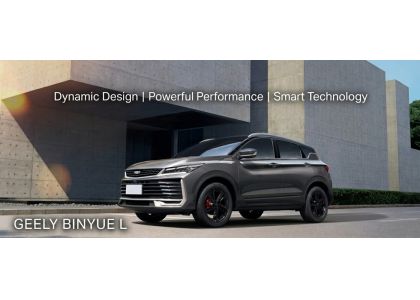
For business-to-business automotive importers operating across the GCC (Gulf Cooperation Council) nations — including the United Arab Emirates, Saudi Arabia, Qatar and Oman — summertime brings the harshest real-world engineering test for electric vehicles. With regional ambient temperatures regularly climbing to 50°C (122°F), local wholesale buyers constantly raise one core question: Can Chinese-built electric vehicles operate reliably under extreme desert high heat?
Extreme high temperature has long been the biggest technical flaw of conventional electric vehicles. Scorching surroundings trigger accelerated battery aging and sharp mileage drop, largely due to heavy energy consumption from vehicle cabin air conditioning. Nonetheless, leading Chinese EV manufacturers including BYD and Zeekr have broken this industry limitation in 2026. Backed by optimized thermal structure design and cutting-edge liquid cooling solutions, their mass-produced EVs are no longer merely adaptive to desert climates, but deliver stable, premium performance in ultra-high-temperature environments.
1. Thermal Working Mechanism: Why Desert High Heat Harms EV Batteries
Vehicle power batteries run on electrochemical reactions, and a 50°C external environment triggers two irreversible negative changes to battery operation:
-
Elevated internal resistance: High ambient temperature boosts battery internal resistance during both charging and discharging cycles, generating extra redundant heat and forming a vicious heating cycle.
-
Accelerated battery performance decay: Long-term exposure to temperatures above 45°C damages internal electrolyte composition permanently, lowering the battery State of Health (SOH) and shortening overall service life.
To tackle this pain point, Chinese automotive R&D teams have phased out outdated passive air cooling structures, and adopted mature Active Thermal Management Systems (ATMS) for full-vehicle temperature regulation.
2. BYD Blade Battery: Custom Thermal Design for Extreme Hot Climates
BYD self-developed Blade Battery, adopting lithium iron phosphate (LFP) chemical formula, serves as the core guarantee for EV desert adaptability.
-
Optimized heat dissipation structure: Different from bulky traditional battery modules, the slim elongated blade-shaped cell design expands overall heat exchange area greatly, speeding up external heat dissipation efficiency.
-
Embedded direct liquid cooling structure: High-efficiency cooling plates are installed directly between single battery cells. The system can cut battery core temperature by up to 10°C within several minutes, even during peak-hour fast charging under direct midday desert sunlight.
-
Ultra-high thermal runaway safety threshold: Compared with mainstream NMC (Nickel Manganese Cobalt) ternary batteries, LFP materials feature far higher thermal stability. It can endure surface temperatures up to 500°C before thermal runaway risks emerge, making it the optimal battery solution for GCC extreme desert climates.
3. Zeekr Silicon Carbide Semiconductor Tech: Source Heat Reduction for Premium EVs
As a high-end Chinese EV marque, Zeekr applies next-generation semiconductor components to cut heat generation at the source, reducing thermal pressure on vehicle cooling systems fundamentally.
-
Silicon Carbide (SiC) intelligent inverters: Most Zeekr production models equip SiC power control modules. Outperforming traditional silicon-based components in energy conversion efficiency, SiC parts produce minimal waste heat during sustained high-speed cruising — a frequent driving scenario on the Dubai-Abu Dhabi E11 desert expressway.
-
Circulating intelligent heat pump system: Zeekr adopts an integrated closed-loop thermal management system. It reuses residual heat from drive motors to support cabin temperature adjustment, and completes battery pre-temperature adjustment for fast charging, maintaining stable vehicle operating status under 50°C ambient conditions.
4. Full-Vehicle Extreme Environment Adaptation: UV Resistance and Cabin Thermal Control
Desert roadworthiness relies not only on battery thermal protection, but also long-lasting automotive parts performance and constant passenger comfort.
-
Custom desert-oriented interior configuration: All export-spec vehicles supplied by Tianjin Yigang (Yijie Auto) come with factory-fitted cooled ventilated seats and heat-insulating panoramic sunroofs. The customized glass can block 99% of ultraviolet radiation, lowering energy consumption of the vehicle HVAC cooling system effectively.
-
Original left-hand drive (LHD) design compliance: Developed based on China’s mainstream LHD vehicle standard, all supplied EVs fully comply with road access regulations issued by UAE RTA and Saudi Arabia SASO, requiring no secondary steering modification for local road use.
5. Professional EV Export Procurement: FOB Tianjin Desert-Ready Vehicle Supply
Transporting high-value finished EVs from temperature-controlled Chinese port warehouses to high-temperature Middle East markets requires standardized, climate-adaptive cross-border automotive logistics services.
Core Advantages of FOB Tianjin Procurement
Headquartered in Tianjin Binhai New Area, Tianjin Yigang operates Northern China’s largest dedicated vehicle export terminal. Sourcing EVs under FOB Tianjin terms brings exclusive benefits for GCC B2B importers:
-
Full battery pre-export inspection: Every finished vehicle passes a 150-item full-standard technical audit, including professional battery SOH detection, to eliminate hidden heat-induced vehicle faults before shipment.
-
Ample ready-to-ship stock: We maintain large in-port inventory of desert-certified BYD and Zeekr models. Unlike factory direct orders that take several months for delivery, our stocked vehicles can be loaded onto ocean vessels within 7 to 10 working days.
-
Constant-temperature port storage: All stocked EVs are placed in climate-regulated port warehouses to avoid pre-delivery battery and component aging caused by high-temperature exposure.
Conclusion
The stereotype that electric vehicles cannot adapt to desert ultra-high-temperature climates is no longer valid. Powered by optimized liquid cooling architecture, high-stability LFP battery materials and high-efficiency semiconductor thermal control technology, Chinese EVs have built unmatched competitive advantages in global high-temperature automotive markets.
For GCC regional B2B importers, partnering with a professional export supplier that masters EV thermal core technology determines long-term business stability. Cooperate with Tianjin Yijie Automobile Sales Co., Ltd to access transparent FOB Tianjin quotation and abundant ready-to-ship stock, and procure fully qualified EVs tailored for 50°C desert operating scenarios.
Browse our [Ready to Ship] vehicle catalog to get customized real-time quotation for high-temperature resistant Chinese EVs for GCC markets.


