7 Hidden Costs of Importing Used Cars from China
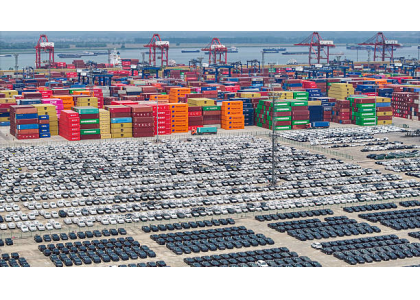
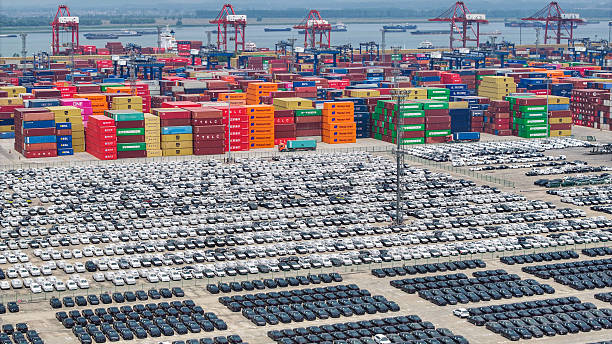
Buying a used car from China can save you thousands of dollars — but only if you know every cost before you sign. The advertised price is never the final number. Between port charges, compliance fees and unexpected surcharges, hidden expenses can add 20–40% on top of the purchase price. China exported a record 8.32 million vehicles in 2025 (up 29.9% year-on-year, with export value reaching US$142.46 billion, according to Gasgoo), and exports in the first half of 2026 reached 5.096 million units, up 65.3% (CarNewsChina). As more buyers turn to China, understanding the true cost of import has never been more important. Here are the 7 hidden costs every importer must plan for in 2026.
1. Import Duty and Tariffs at the Destination
Duty rates vary wildly by country. The United States applies a 2.5% duty on passenger cars, plus an additional 25% tariff that took effect in April 2026 (KBB, February 2026). Many Middle East and CIS markets apply 5–15% import duty plus VAT, while some African markets charge more. Ask your exporter for a country-specific landed-cost estimate before you commit — never assume a flat percentage.
2. Ocean Freight and Surcharges
Shipping a car by container from China typically starts at around US$2,750 (WCS Shipping, July 2026), but this is rarely the final freight figure. Carriers add bunker adjustment factors (BAF), peak-season surcharges (PSS) and equipment fees. Roll-on/roll-off (RoRo) shipping can be cheaper per unit for large volumes, but capacity is tight. Always request an all-in freight quote including surcharges.
3. Port Storage and Demurrage Fees
Destination ports usually allow 3–7 free days of storage. After that, demurrage and storage charges — often US$50–200 per day per container — start accumulating. If your customs clearance or documentation is delayed, a two-week wait can cost hundreds of dollars. Book your clearance agent before the vessel arrives.
4. Inspection, Compliance and Reconditioning
Chinese used cars must pass export inspection, and the vehicle must meet the destination country’s emissions and safety standards. Reconditioning — replacing worn tyres, fixing lights, aligning the chassis — is a cost buyers frequently forget. Get the inspection and reconditioning fee included in a single itemised quote rather than discovering it at the port.
5. Insurance and Currency Risk
Marine cargo insurance typically costs 0.3–0.5% of the cargo value, and it is optional — until your car is damaged in transit. Currency swings between the RMB and your local currency can also shift the final price by several percent. Lock in exchange rates early or use exporters that offer fixed-price packages in your currency.
6. Customs Broker and Local Registration Fees
Clearing customs, paying local taxes, registering the title and obtaining number plates all carry fees that are easy to overlook. Brokerage services, roadworthiness tests and registration duties can add several hundred to over a thousand dollars per car, depending on the market. Ask for a breakdown of destination-side fees before shipping.
7. The “Too Good to Be True” Surprises
Some sellers disguise zero-mileage new cars as used to bypass regulations — a practice Chinese authorities are now cracking down on (South China Morning Post). EVs add extra cost for lithium-battery transport surcharges, and undisclosed accident history can wreck resale value. Deal only with verified exporters and request third-party inspection reports.
How to Avoid These Hidden Costs
|
Hidden Cost |
How to Avoid It |
|
Import duty & tariffs |
Get a country-specific landed-cost quote; confirm current rates (e.g. US 25% surcharge since Apr 2026) |
|
Freight surcharges |
Request an all-in quote including BAF and PSS; compare container vs RoRo for volume |
|
Port storage & demurrage |
Pre-book clearance agents; keep documents ready before the vessel arrives |
|
Inspection & reconditioning |
Ask for itemised inspection/repair fees; request third-party inspection reports |
|
Insurance & FX risk |
Insure cargo (0.3–0.5% of value); fix exchange rates or use currency-stable packages |
|
Broker & registration fees |
Request a destination-side fee breakdown; compare brokers in your market |
|
Fraud & EV surcharges |
Buy only from verified exporters like Tianjin Yijie; confirm battery transport terms for EVs |
Conclusion
Importing a used car from China can still be an excellent deal — if you plan for all seven cost layers. The safest way to avoid surprises is to work with a transparent, full-service exporter such as Tianjin Yijie Automobile Sales Co., Ltd., which provides itemised quotes covering inspection, freight, insurance and destination-side costs. Ask for a complete cost breakdown before you pay anything.


